
The Hidden Value in Old Engines: Never Scrap an Engine Without Checking Its Core Value
Old engines are often seen as waste. Once a vehicle has been stripped, repaired or written off, the removed engine can look like little more than a heavy lump of metal taking up valuable space.
But in the automotive trade, old engines can still hold serious value.
For garages, breakers, dismantlers, suppliers and workshops, an engine core is not always something to throw away or scrap by weight. In many cases, it can be assessed, recovered, rebuilt, reused, exported or supplied into the remanufacturing market.
That is where the hidden value lies.
At ProCat Ltd, we specialise in automotive core supply, stock assessment and trade purchasing. We work with engine cores, gearbox cores, diesel injectors, diesel pumps, AC compressors and other core components, helping businesses across the UK, Europe and worldwide recover value from automotive parts that may otherwise be overlooked.
What Is an Engine Core?
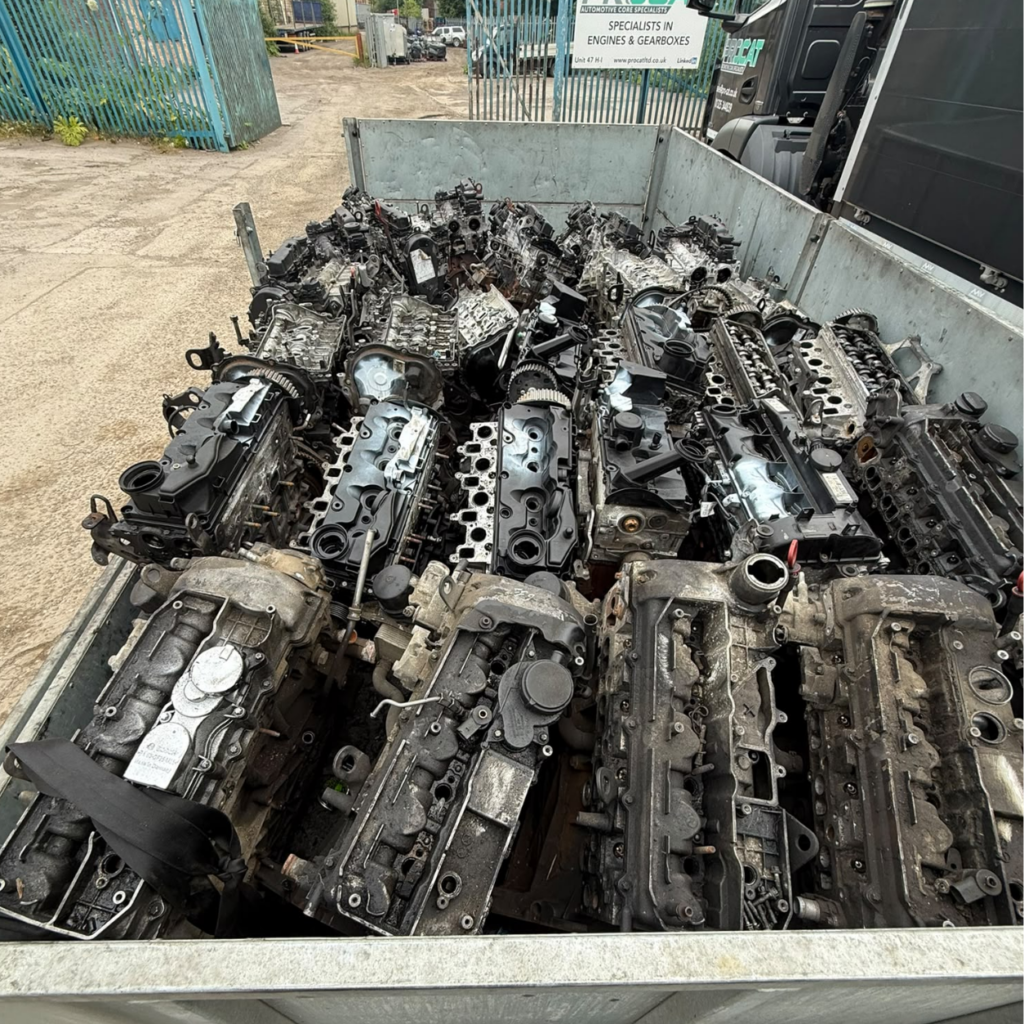
An engine core is a used, damaged or removed engine that may be suitable for rebuilding, remanufacturing, reconditioning or parts recovery.
It does not need to be a perfect working engine. In many cases, engine cores are removed because a vehicle has failed, been damaged, reached the end of its life or become uneconomical to repair.
To the wrong buyer, that engine may only look like scrap. To the right buyer, it could still have value.
A core may be valuable because of its engine code, casing, internal components, cylinder head, block, crankshaft, ancillary parts, demand in the market or suitability for remanufacturing.
That is why businesses should think carefully before sending old engine stock straight down the scrap route.
Why Old Engines Can Be Worth More Than Scrap
Scrap value is usually based on material weight. That means the engine is mainly valued as metal.
But an engine core can be worth more than its raw material value because it may still be useful as an automotive component.
A specialist core buyer looks beyond weight. They consider what the engine is, what vehicle it came from, whether there is demand for it, whether it can be rebuilt, whether parts can be recovered from it and whether it fits the needs of the remanufacturing industry.
This is the key difference between scrap and core value.
Scrap asks: “What does this weigh?”
Core recovery asks: “What can this still become?”
The Role of Engine Cores in Remanufacturing
Remanufacturing depends on a steady supply of suitable cores.
Engine reconditioners and remanufacturers need stock they can inspect, strip, clean, machine, rebuild and return to use. Without reliable core supply, the remanufacturing industry cannot keep moving.
That means old engines removed from garages, breakers and dismantlers can still play an important role in the wider automotive supply chain.
Instead of being treated as waste, suitable engine cores can become the starting point for rebuilt units, replacement parts or reusable components.
ProCat supplies engines and gearboxes for the remanufacturing market, helping trade buyers source the core stock they need.
What Makes an Old Engine Valuable?
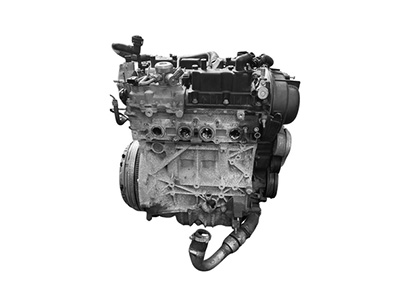
Not every old engine has the same value. Some units are in higher demand than others, and condition still matters.
However, there are several key factors that can affect whether an old engine core is worth more than scrap.
Engine Code
The engine code is one of the most important details.
Two engines can look similar but have very different applications, specifications and market demand. Correct identification helps buyers understand exactly what the unit is and whether it is suitable for resale, rebuild or parts recovery.
If you have old engine cores to sell, engine codes, part numbers and vehicle details can all help with valuation.
Completeness
A complete engine core may be more valuable than a heavily stripped unit, depending on demand.
Ancillary parts, cylinder heads, blocks, injectors, pumps, sensors and other components can all affect the potential value of a core.
That does not mean incomplete engines are worthless. Even partial units can still have value if key components are present or if there is demand for specific parts.
Condition
An engine core does not need to be perfect, but condition still matters.
Visible damage, corrosion, missing parts, contamination and poor storage can all affect value. However, many cores are expected to be worn, failed or damaged. The real question is whether there is still recoverable value in the unit.
A specialist buyer can assess this more accurately than a general scrap route.
Demand
Demand is one of the biggest factors in core value.
Some engine types, vehicle brands, diesel units, petrol units, commercial vehicle engines or specific applications may be more desirable at certain times.
Demand can be influenced by common failure rates, parts shortages, export demand, remanufacturing requirements and the popularity of certain vehicles.
This is why core value can change over time. An engine that looks unimportant to one business may be exactly what another buyer needs.
Quantity
A single engine core may have value, but bulk stock can be even more attractive to a specialist buyer.
Garages, breakers, dismantlers and suppliers that have multiple engines, gearboxes or mixed components may be able to clear space and recover value more efficiently by selling to one experienced automotive core buyer.
If you have bulk stock, mixed pallets or a large quantity of cores, ProCat can review the opportunity through the Sell to Us process.
Why Garages Should Not Let Old Engines Pile Up
For garages and workshops, old engines can quickly become a space problem.
They are heavy, awkward to move and difficult to store neatly. A few removed units can soon take over valuable floor space, block access or create unnecessary clutter around the workshop.
The longer old engines sit around, the more likely they are to become damaged, unidentified or forgotten.
Selling engine cores to a specialist buyer can help garages free up space, recover value from old jobs and create a simple route for future core stock.
Instead of letting engines pile up in the corner, garages can turn dead stock into a useful return.
Why Breakers and Dismantlers Should Separate Core Value From Scrap Value
Vehicle breakers and dismantlers handle large volumes of stock. Some parts are suitable for direct resale, while others are better suited to core recovery, remanufacturing or trade supply.
The risk is that valuable core stock gets treated as scrap too quickly.
Engines, gearboxes, diesel injectors, diesel pumps, AC compressors and other components may still have value even if they are not being sold as working retail parts.
By separating core value from scrap value, breakers can make better decisions about what to sell, what to store and what to move on through a specialist buyer.
ProCat’s Buy From Us section also shows the range of core components supplied into the trade, including engines, gearboxes, diesel injectors, diesel pumps, AC compressors, alternators, starter motors and more.
Why Scrap Is Not Always the Best Route
Scrapping may be quick, but it is not always the most profitable or responsible option.
When an old engine is scrapped purely for material weight, any remaining component value may be lost.
A specialist automotive core buyer can assess whether the unit has value beyond scrap. This may include rebuild potential, parts recovery, export suitability or demand from remanufacturers.
For businesses with regular stock, this can make a significant difference over time.
The best approach is simple: before scrapping old engines, get them assessed.
What Other Automotive Cores Can Hold Value?
Engines are only one part of the core market.
Other automotive components can also hold trade value, including gearbox cores, diesel injectors, diesel pumps, AC compressors, alternators, starter motors, EGR valves, power steering components, cylinder heads, engine blocks and mixed core stock.
This matters because many garages, breakers and suppliers do not only have engines sitting around. They often have a mix of components that could be assessed together.
A specialist buyer can look at the full stock picture, not just one item.
Why Choose ProCat Ltd?
ProCat Ltd is a family-run automotive core specialist based in Darlington, with years of experience in the automotive core industry.
We specialise in engines and gearboxes for the remanufacturing market, while also working with a wide range of associated components including diesel injectors, diesel pumps, AC compressors and other trade core stock.
Our team understands the difference between scrap value and core value. We help garages, breakers, dismantlers, suppliers and remanufacturers make better use of automotive stock that may otherwise be overlooked.
Whether you have a few old engines, mixed pallets of components or regular core stock to clear, ProCat can help assess what you have and advise on the next step.
You can also learn more about our wider supply work across Europe and worldwide on our European Core Supply page.
Have Old Engines Taking Up Space?
If you have old engines, gearbox cores or mixed automotive components sitting in your workshop, warehouse or yard, do not assume they are only worth scrap.
They may still hold value as rebuildable cores, reusable components or trade stock.
Speak to ProCat Ltd today to discuss your surplus engine cores and automotive stock.
Book a core valuation with ProCat Ltd
Frequently Asked Questions
Are old engines worth more than scrap?
Old engines can be worth more than scrap if they have value as rebuildable cores, reusable parts or stock for the remanufacturing supply chain. Value depends on engine type, condition, completeness, demand and identification.
What is the difference between scrap value and core value?
Scrap value is usually based on material weight. Core value considers the component itself, including its application, demand, rebuild potential, parts recovery value and usefulness to the automotive trade.
Can damaged engines still have value?
Yes, damaged engines may still have value depending on the unit. Many engine cores are bought specifically for rebuilding, remanufacturing or parts recovery, so they do not always need to be working.
What information helps when selling engine cores?
Useful information includes photos, engine codes, part numbers, vehicle details, condition notes, quantities, location and whether the stock is loose, palletised, racked or mixed with other components.
Does ProCat buy mixed automotive core stock?
Yes, ProCat can assess mixed automotive core stock, including engines, gearboxes, diesel injectors, diesel pumps, AC compressors and other components. Visit the Sell to Us page to start the valuation process.