
Selling Surplus Engine Cores: Turn Broken Engines Into Value
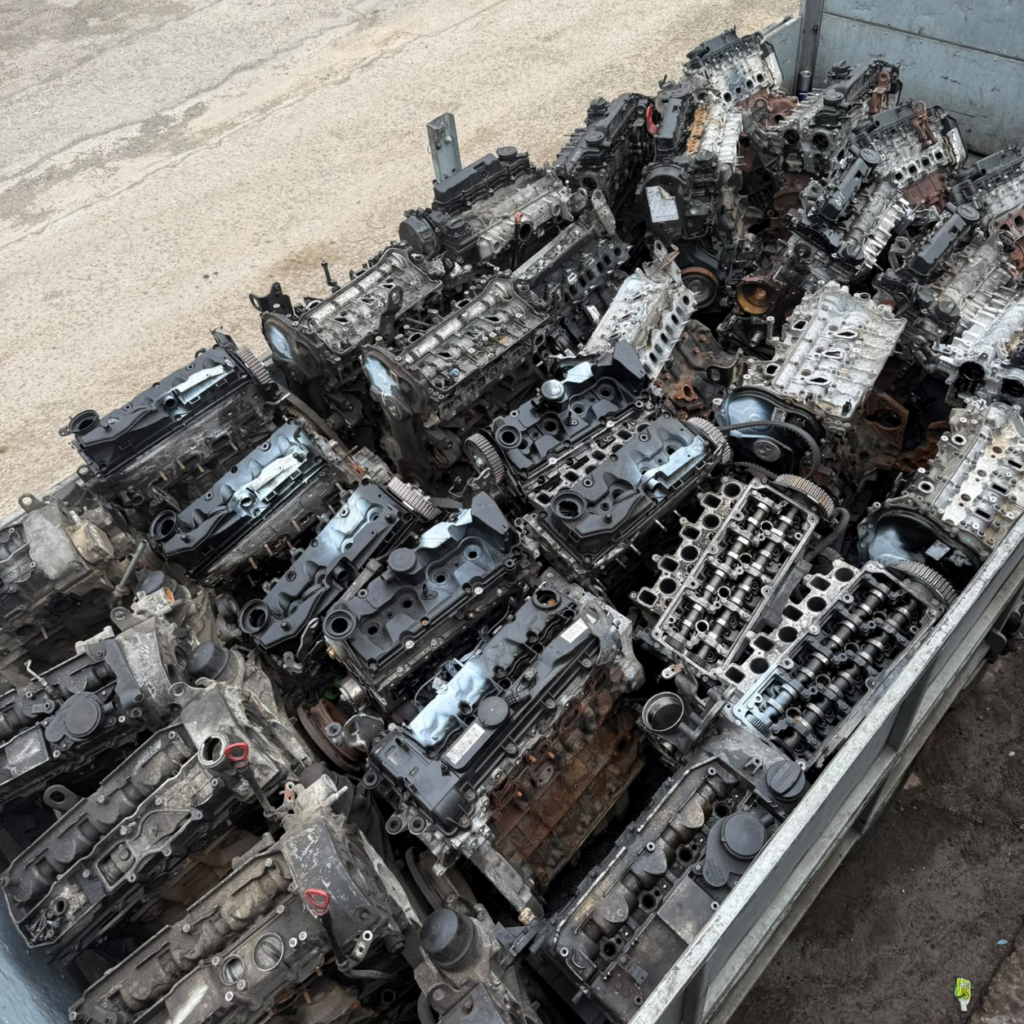
Old engine cores, gearbox cores and automotive components can quickly become a problem for garages, breakers, dismantlers and trade suppliers.
What starts as useful stock can soon turn into dead space. Engines get pushed to the back of the workshop. Gearboxes sit on pallets for months. Diesel injectors, pumps, compressors and other components build up in boxes, often with no clear plan for what happens next.
But surplus automotive cores are not just scrap. In the right hands, they can still hold commercial value.
For businesses with the right stock, working with an experienced automotive core buyer can free up space, recover value and keep useful components moving through the remanufacturing and recycling supply chain.
At ProCat Ltd, we specialise in automotive core supply, stock assessment and trade purchasing. We work with engines, gearboxes, diesel injectors, diesel pumps, AC compressors and other core components, supporting garages, mechanics, breakers, suppliers and remanufacturers across the UK, Europe and worldwide.
Have surplus core stock to sell? Visit our Sell to Us page to book a valuation or send us your stock details.
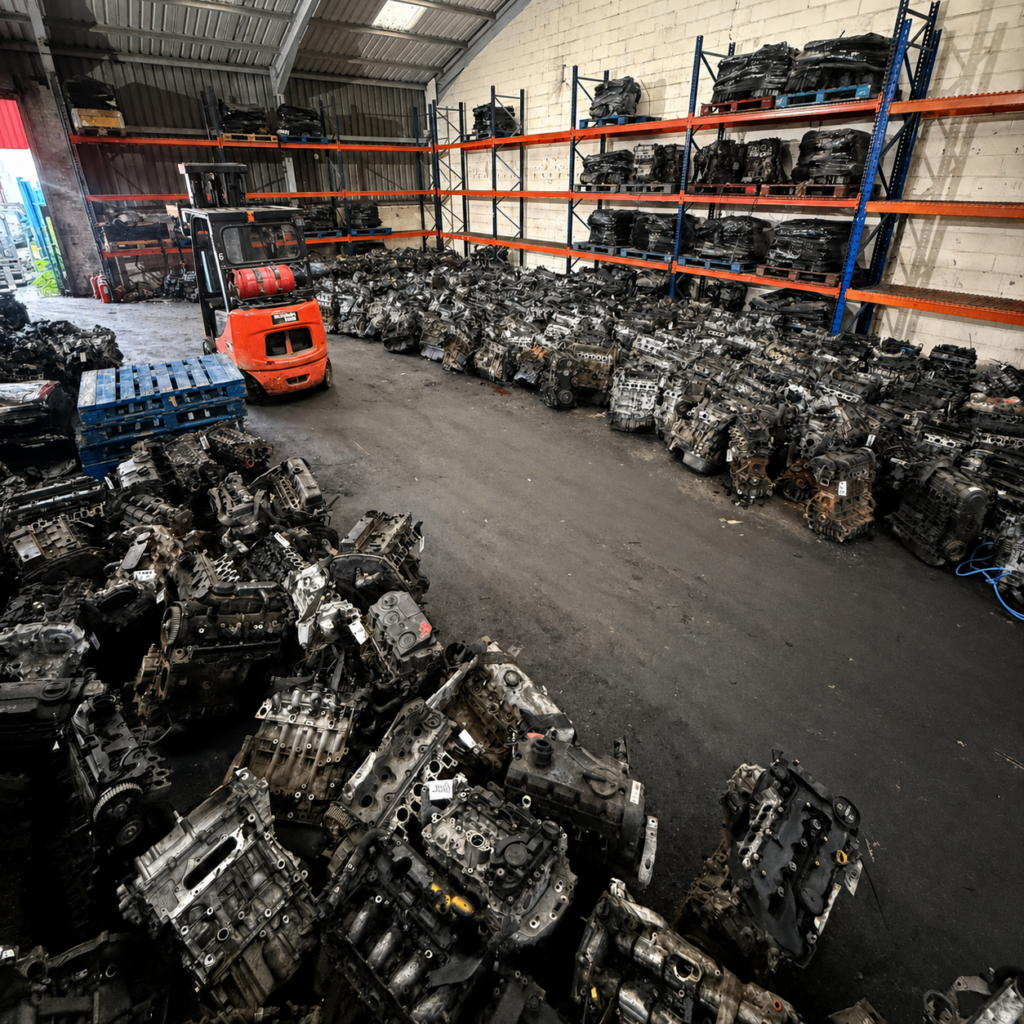
What Are Surplus Engine Cores?
A surplus engine core is typically a used engine, damaged engine, removed unit or incomplete engine assembly that is no longer needed by the current owner but may still be useful for rebuilding, remanufacturing, reconditioning or parts recovery.
These cores may come from garages, vehicle breakers, dismantlers, engine reconditioners, fleet maintenance operations, parts suppliers, trade stock clearances, end-of-life vehicle processing, returned parts, obsolete stock or slow-moving inventory.
The same principle applies to gearbox cores and transmission cores, diesel injectors, diesel pumps, AC compressors, starter motors, alternators and other automotive components. Even if the part is not ready to fit, it may still have value as a rebuildable core or reusable component.
Why Old Core Stock Becomes a Problem
Many automotive businesses hold onto old stock because they believe it may be useful one day. In some cases, that is true. But when stock is not organised, identified or actively moving, it can quickly become a burden.
Surplus engine cores and gearbox cores can take up valuable workshop or warehouse space, become harder to identify over time, suffer damage through poor storage, slow down day-to-day operations, tie up value that could be recovered, create clutter and handling issues, and eventually be scrapped for less than they are worth.
For busy trade environments, space matters. A pallet of old engines or gearboxes that has not moved in months may be costing more than people realise.
Selling surplus core stock to a specialist buyer can help turn that dead space back into usable value.
Why Not Just Scrap Everything?
Scrapping surplus stock may seem like the easiest option, but it is not always the best one.
Some automotive components have more value as cores than they do as basic scrap metal. This is especially true where parts are in demand for remanufacturing, reconditioning, resale or export.
A general scrap route may only value the material weight. A specialist automotive core buyer looks at the component itself, its application, demand, condition and potential reuse.
That knowledge matters. An experienced core buyer understands which units are worth recovering, which parts are in demand and which components may still have useful value within the trade supply chain.
This is also why automotive core recovery supports a more sustainable approach to vehicle parts supply. Instead of sending usable components straight into the waste stream, suitable cores can be assessed, reused, rebuilt or returned to the wider automotive supply chain.
What Types of Stock Can Have Core Value?
Different buyers will focus on different categories, but common automotive core stock can include petrol engine cores, diesel engine cores, manual gearbox cores, automatic transmission cores, diesel injectors, diesel fuel pumps, AC compressors, turbochargers, alternators, starter motors, cylinder heads, engine blocks and mixed automotive core stock.
The value of each item depends on factors such as make, model, engine code, part number, completeness, condition, current demand and whether the unit is suitable for rebuilding or parts recovery.
If you are looking to buy core stock instead of sell it, visit our Buy From Us page to view out current engine stock.
How Engine Core Valuation Works
Core valuation is not guesswork. A knowledgeable buyer will usually assess stock based on a combination of condition, demand, identification and resale or remanufacturing potential.
Identification
The more clearly a unit can be identified, the easier it is to assess.
Engine codes, part numbers, manufacturer markings, vehicle applications and labels all help determine what the item is and whether there is demand for it.
Unidentified stock may still have value, but clear identification can make the process faster and more accurate.
Completeness
A complete engine or gearbox core may be more useful than a stripped or heavily incomplete unit, depending on what the buyer needs.
However, incomplete stock can still have value if key components are present or if the part is useful for rebuild, exchange or parts recovery.
Condition
A core does not need to be perfect. In many cases, cores are expected to be used, damaged, worn or removed from vehicles due to failure.
The key question is whether the unit still has recoverable value.
Visible damage, corrosion, missing parts, contamination or poor storage can affect value, but they do not always make a unit worthless.
Demand
Some engine codes, gearboxes and components are more desirable than others.
Demand can be influenced by vehicle popularity, common failure rates, parts availability, export demand and remanufacturing requirements.
A specialist buyer will usually have a better understanding of current trade demand than a general buyer.
Quantity
Bulk stock can be attractive because it allows a buyer to assess, collect and process multiple items at once.
For garages, breakers and suppliers with regular stock, building an ongoing relationship with a core buyer can be more efficient than selling items individually.
How to Prepare Surplus Core Stock for Sale
You do not need to make everything perfect before speaking to a buyer, but a little preparation can make the process smoother.
Before making an enquiry, try to gather clear photos of the stock, approximate quantities, engine codes or part numbers where available, details of vehicle applications if known, whether the stock is loose, boxed, palletised or racked, your location, whether loading access is available, and any known condition notes.
For larger stock clearances, wide photos of the storage area can also be useful. A buyer may be able to assess the type and scale of the stock before arranging the next step.
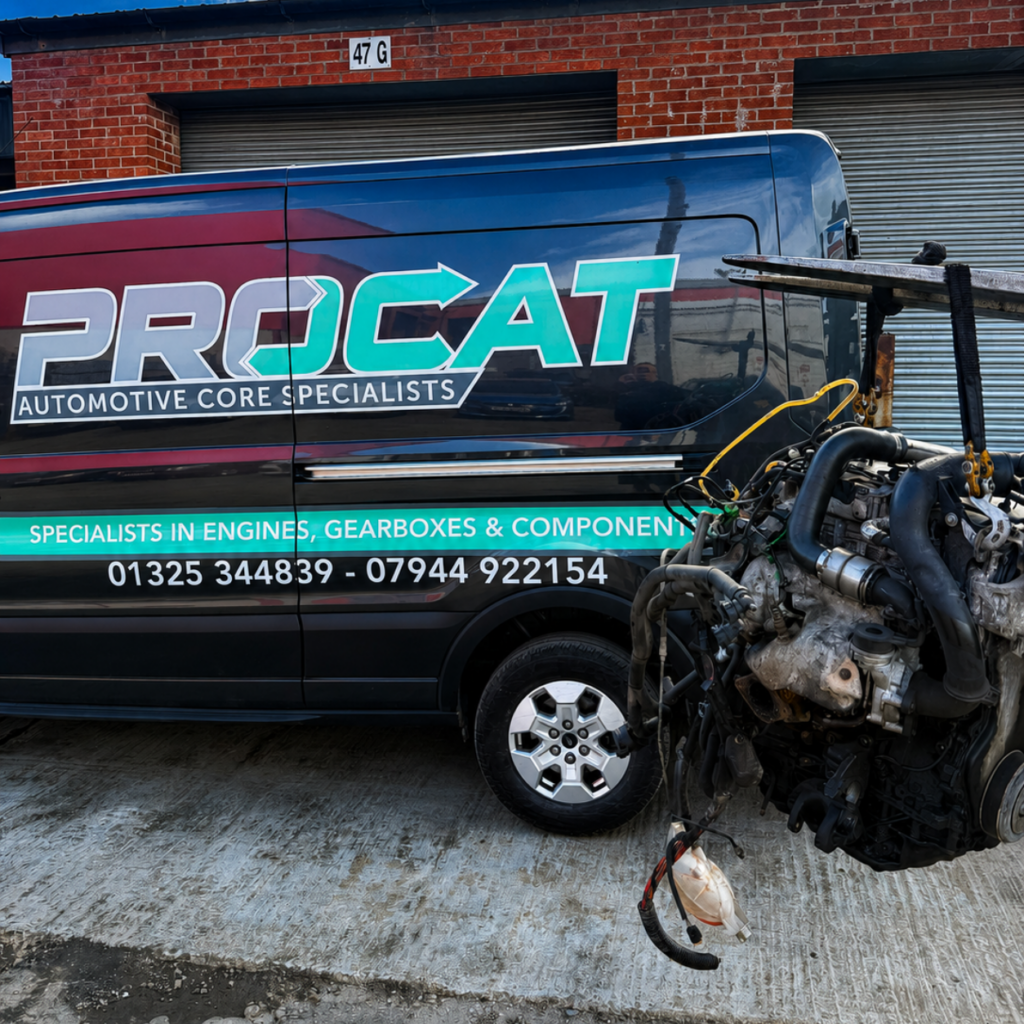
ProCat can assess stock in several ways. Sellers can send stock lists electronically, provide images of parts for sale, send cores for assessment, or arrange for a buyer to visit their facility where suitable. To start the process, visit our Sell to Us page.
Why Work With a Specialist Automotive Core Buyer?
Selling surplus engine cores is different from selling ordinary used parts.
A specialist core buyer understands the trade value of components that may not be ready to sell as working used parts. They know what can be rebuilt, what can be broken for useful components, what has export demand and what is suitable for remanufacturing supply.
This makes the process more efficient for sellers.
Instead of trying to list individual items, answer retail enquiries, arrange separate collections or guess what stock is worth, trade sellers can deal with one experienced buyer who understands the category.
Benefits for Garages and Workshops
For garages and workshops, old core stock can become a space issue very quickly.
Engines and gearboxes are heavy, awkward and difficult to store. They can block usable work areas, take up pallet space and create unnecessary handling problems.
Selling surplus cores can help garages free up workshop space, clear old jobs and abandoned stock, recover value from removed units, avoid unnecessary disposal costs, keep the site tidier and safer, and build a regular outlet for future core stock.
For busy garages, the main benefit is simplicity. Rather than letting old stock pile up, a specialist buyer gives you a route to move it on.
Benefits for Breakers and Dismantlers
Vehicle breakers and dismantlers often generate engine cores, gearbox cores and mixed component stock as part of normal operations.
Some items may sell quickly as used parts, while others may be better suited to core supply, remanufacturing or bulk trade sale.
Working with a core buyer can help breakers move larger quantities of stock, reduce slow-moving inventory and recover value from items that may not suit direct retail sale.
This can be especially useful when clearing older stock, making space for new vehicles or managing mixed batches of engines, gearboxes and components.
Benefits for Trade Suppliers
Parts suppliers and trade businesses may occasionally hold surplus, returned, obsolete or slow-moving stock.
Even if stock is no longer useful to the current business, it may still have value elsewhere in the automotive supply chain.
A specialist core buyer can assess whether that stock has trade value and help move it back into circulation.
Core Supply Supports the Circular Economy
Selling surplus engine cores is not only a commercial decision. It also supports a more sustainable automotive supply chain.
When cores are recovered and reused, valuable components can be rebuilt, reconditioned or used for parts instead of being wasted.
This helps reduce unnecessary disposal, supports remanufacturing and extends the useful life of automotive components.
For businesses in the automotive trade, responsible core recovery can be part of a cleaner, more efficient and more sustainable way of working.
Why Choose ProCat Ltd?
ProCat Ltd is a family-run automotive core specialist based in Darlington, supplying and purchasing automotive core stock for the remanufacturing market.
We specialise in engines, gearboxes and associated core components, working with garages, mechanics, breakers, suppliers, remanufacturers and trade buyers across the UK, Europe and worldwide.
Our team understands the automotive core industry and can help assess stock quickly, clearly and professionally.
Whether you have a small batch of engine cores, a mixed pallet of components or a larger quantity of stock to clear, ProCat can help review what you have and advise on the next step.
You can also learn more about our wider supply work on our European Core Supply page.
Have Surplus Engine Cores to Sell?
If you have engine cores, gearbox cores, diesel injectors, pumps, compressors or mixed automotive core stock taking up space, speak to ProCat Ltd.
Our team can review your stock, discuss current demand and help you understand whether your surplus components have value.
Contact ProCat Ltd today to discuss selling your surplus automotive core stock.
Book a core valuation with ProCat Ltd
Frequently Asked Questions
Can I sell damaged engine cores?
Yes, damaged engine cores may still have value depending on the engine type, condition, completeness and current demand. A core does not always need to be working to be useful for rebuilding, remanufacturing or parts recovery.
Do gearbox cores have value?
Yes, gearbox cores and transmission cores can hold trade value, especially where they are suitable for rebuilding, parts recovery or remanufacturing supply. Value depends on the application, condition, demand and whether the unit can be clearly identified.
What information should I provide when selling core stock?
It helps to provide photos, quantities, engine codes, part numbers, vehicle applications, condition notes, location and whether the stock is boxed, palletised, racked or loose.
Can ProCat assess bulk or mixed pallets of core parts?
Yes, ProCat can review bulk items, mixed pallets and stock lists. Suppliers can send images, stock details or electronic lists so the purchase team can assess the opportunity and follow up.
Is selling engine cores better than scrapping them?
In many cases, yes. Some automotive components may be worth more as rebuildable cores or reusable trade stock than as basic scrap metal. A specialist automotive core buyer can assess whether the stock has value beyond material weight.